

When someone is diagnosed with celiac disease, the focus is usually on the gut-bloating, diarrhea, weight loss. But for nearly one in three untreated celiac patients, the first sign of trouble isn’t in the intestines-it’s in the liver. Elevated liver enzymes show up on a routine blood test, and doctors often assume it’s fatty liver, alcohol use, or a virus. What they don’t always consider is gluten.
Why Does Celiac Disease Affect the Liver?
Celiac disease is an autoimmune condition triggered by gluten, a protein found in wheat, barley, and rye. When someone with celiac eats gluten, their immune system attacks the lining of the small intestine, damaging the tiny finger-like projections called villi. This damage makes it hard for the body to absorb nutrients. But that’s not the whole story. The same immune chaos that ruins the gut can also spill over into the liver. Research shows that between 15% and 40% of people with untreated celiac disease have abnormal liver function tests. The most common sign? Elevated ALT and AST-enzymes that leak into the bloodstream when liver cells are inflamed or damaged. In about 70% of these cases, both enzymes rise together, which is a pattern more typical of autoimmune or metabolic liver issues than viral hepatitis. The connection isn’t random. Three main mechanisms are at play:- Increased intestinal permeability: A damaged gut lets toxins, bacteria, and undigested food particles slip into the bloodstream. The liver, which filters everything from the gut, gets overwhelmed. This is called "leaky gut"-and it’s a major driver of liver inflammation in celiac patients.
- Autoimmune cross-reactivity: The immune system, already confused by gluten, sometimes mistakes liver proteins for gluten fragments. This can trigger autoimmune hepatitis or other autoimmune liver diseases. About 4-6.4% of people with autoimmune hepatitis also have celiac disease.
- Nutrient malabsorption: Fat-soluble vitamins like A, D, E, and K are poorly absorbed in celiac disease. Vitamin E, in particular, is a powerful antioxidant that protects liver cells. When levels drop, the liver becomes more vulnerable to damage.
What Liver Conditions Are Linked to Celiac Disease?
Celiac disease doesn’t just cause vague enzyme spikes-it’s tied to specific liver diseases:- Non-alcoholic fatty liver disease (now called MASLD): This is the most common liver issue seen in celiac patients. But here’s the twist: it’s not always caused by being overweight. In celiac disease, MASLD can develop from malabsorption, chronic inflammation, or-ironically-from the gluten-free diet itself. Many processed gluten-free products are loaded with sugar, refined starches, and unhealthy fats. Patients who switch to these foods often gain weight and develop fatty liver, even if they were previously underweight.
- Autoimmune hepatitis: This is when the immune system attacks liver cells directly. Studies show celiac disease is two to three times more common in people with autoimmune hepatitis than in the general population.
- Primary biliary cholangitis and primary sclerosing cholangitis: These are rarer but serious conditions where the bile ducts are damaged. Celiac disease occurs more frequently in these patients than in healthy people.
- Cryptogenic cirrhosis: When liver scarring happens with no clear cause, doctors are now advised to test for celiac disease. About 4.7% of people diagnosed with unexplained cirrhosis turn out to have undiagnosed celiac disease.
How Common Is This Link?
A 2025 meta-analysis compared celiac patients to their healthy siblings-and found something striking. People with celiac disease had double the risk of developing chronic liver disease. The risk didn’t come from genetics alone. It came from gluten exposure. Liver enzyme abnormalities are so common in celiac disease that they’re now considered a red flag. In 2015, only 65% of doctors checked liver enzymes when diagnosing celiac. By 2024, that number jumped to 92%. That’s because doctors realized: if a patient has unexplained elevated liver enzymes, especially with fatigue or mild digestive issues, they should be tested for celiac disease. And it works the other way too. If you have autoimmune hepatitis or cryptogenic cirrhosis, screening for celiac disease isn’t optional anymore-it’s standard. The European Association for the Study of the Liver updated its guidelines in June 2024 to make this clear.
Can It Be Reversed?
Yes. And that’s what makes this link so important. A landmark study by Dr. Daniel Leffler at Beth Israel Deaconess Medical Center found that 79% of celiac patients with abnormal liver enzymes saw them return to normal within 12 to 18 months of starting a strict gluten-free diet. In some cases, improvements showed up in as little as three months. Liver biopsies from celiac patients often show steatosis (fatty buildup) and sometimes early fibrosis. After going gluten-free, these changes reverse in most people. The liver has an amazing ability to heal-if you remove the trigger. But there’s a catch. Not everyone improves. About 20% of patients still have abnormal liver enzymes after a year on a gluten-free diet. That’s not a failure of the diet-it’s a signal. These patients need further testing for coexisting autoimmune liver diseases like autoimmune hepatitis or primary biliary cholangitis.The Gluten-Free Diet Paradox
Here’s where things get tricky. The gluten-free diet saves the liver-but it can also hurt it. Many people with celiac disease gain weight after starting the diet. Why? Because gluten-free processed foods-breads, pasta, snacks-are often high in calories, sugar, and unhealthy fats. They’re designed to mimic wheat-based foods, not to be healthy. A 2023 study from the Celiac Disease Foundation found that patients who ate mostly processed gluten-free products were three times more likely to develop MASLD than those who ate whole foods like vegetables, lean meats, eggs, legumes, and naturally gluten-free grains like quinoa and buckwheat. The solution? Don’t just avoid gluten. Eat well. Work with a dietitian who specializes in celiac disease. A 2023 study showed patients who got personalized nutrition counseling normalized their liver enzymes 30% faster than those who didn’t.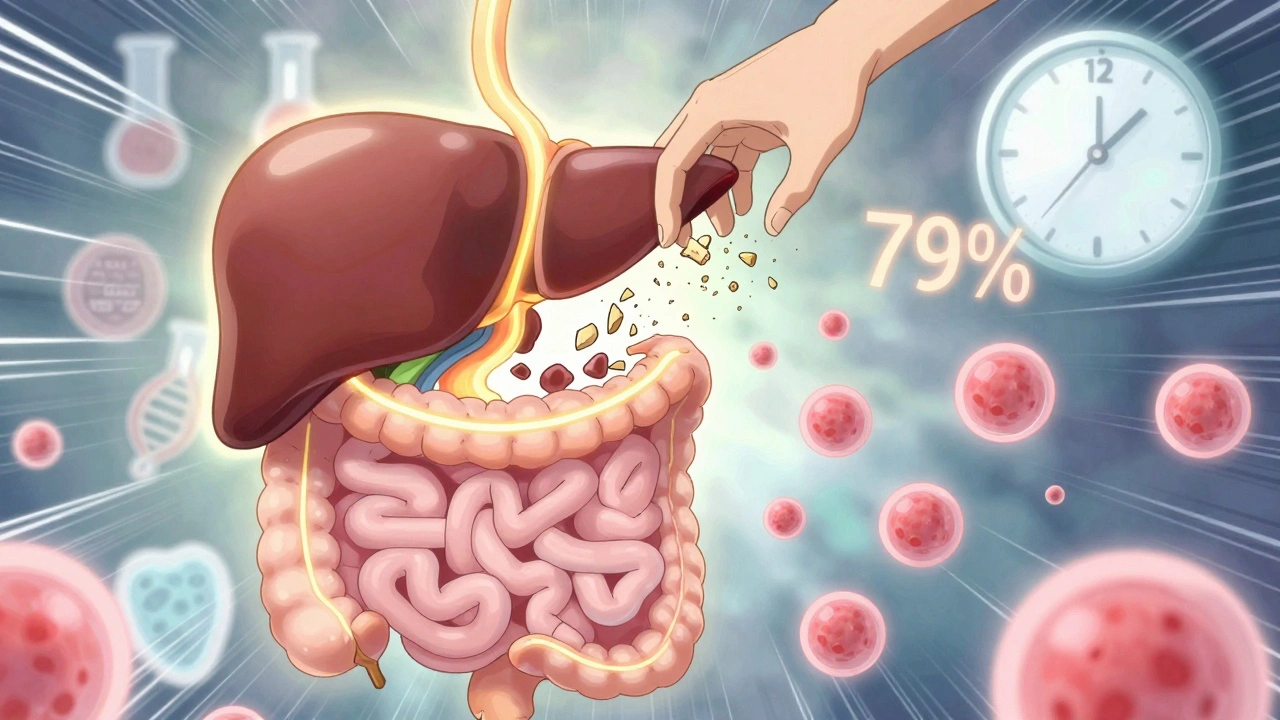
What Should You Do If You Have Celiac Disease?
If you’ve been diagnosed with celiac disease:- Get your liver enzymes checked. ALT and AST should be part of your initial blood work.
- Re-test every 3-6 months. Liver enzymes should drop steadily. If they don’t, ask about autoimmune liver disease.
- Focus on whole foods. Skip the gluten-free cookies and chips. Eat vegetables, fruits, fish, nuts, eggs, beans, and lean meats.
- Watch your weight. If you’re gaining weight on a gluten-free diet, it’s not normal. Talk to your doctor or dietitian.
- Don’t assume it’s just fatty liver. If your enzymes stay high after 12 months, get a referral to a hepatologist. You might have something else going on.
What If You Have Unexplained Liver Problems?
If you’ve been told you have fatty liver, cryptogenic cirrhosis, or autoimmune hepatitis-and no clear cause-ask for a celiac test. A simple blood test for tTG-IgA antibodies can change everything. One patient on Reddit shared: "My ALT was 142. Doctors thought it was obesity. I was thin. Then I got tested for celiac-and it was positive. My enzymes dropped to normal in eight months after going gluten-free. No meds. Just food." That’s not rare. It’s predictable.What’s Next?
Researchers are now looking for genetic markers that predict who’s most at risk. Early data suggests people with two copies of the HLA-DQ2 gene (not just one) have more than double the risk of liver complications. Trials are also testing new enzyme therapies that break down gluten before it reaches the gut-potentially protecting the liver from damage before it even starts. The message is clear: celiac disease isn’t just a digestive disorder. It’s a systemic condition. The liver is one of its most common silent targets. But it’s also one of the most responsive to treatment. You don’t need a liver transplant. You don’t need powerful drugs. You just need to stop eating gluten-and eat well while you do it.Can celiac disease cause liver damage even if I don’t have digestive symptoms?
Yes. Many people with celiac disease have no classic gut symptoms like diarrhea or bloating. Instead, their first sign is elevated liver enzymes, fatigue, or unexplained weight loss. This is called "silent celiac." Liver abnormalities can be the only clue that something’s wrong. That’s why routine liver testing is critical for anyone diagnosed with celiac disease-even if they feel fine.
Will my liver enzymes go back to normal if I go gluten-free?
In most cases, yes. Studies show that 79% of celiac patients with abnormal liver enzymes see them return to normal within 12 to 18 months of a strict gluten-free diet. The liver has a strong ability to heal once the trigger-gluten-is removed. However, if enzymes don’t improve after a year, further testing for autoimmune liver diseases like hepatitis or primary biliary cholangitis is needed.
Can a gluten-free diet cause fatty liver?
Yes, ironically, it can. Many processed gluten-free foods are high in sugar, refined carbs, and unhealthy fats. When people with celiac disease switch to these products, they often gain weight and develop metabolic dysfunction-associated steatotic liver disease (MASLD). The key is to focus on whole, unprocessed foods-vegetables, fruits, lean proteins, nuts, and naturally gluten-free grains like quinoa and rice-rather than packaged gluten-free snacks.
Should I be tested for celiac disease if I have fatty liver?
If your fatty liver has no clear cause-like obesity, alcohol use, or diabetes-then yes. About 4.7% of people with unexplained liver disease, including cryptogenic cirrhosis, have undiagnosed celiac disease. A simple blood test for tTG-IgA antibodies can rule it in or out. Since celiac disease is treatable with diet alone, skipping this test could mean missing a simple, life-changing solution.
How often should liver enzymes be checked after a celiac diagnosis?
Liver enzymes should be checked at diagnosis, then every 3-6 months until they normalize. For most people, this happens within 12 months. After that, annual checks are usually enough unless symptoms return or enzymes rise again. If enzymes remain high after a year on a gluten-free diet, you should be referred to a liver specialist for further evaluation.
Heidi Thomas
December 3, 2025 AT 20:11Stop pretending gluten is the villain here it's Big Pharma and the food industry pushing this narrative to sell you expensive gluten-free junk that's just sugar and oil in disguise
Rachel Bonaparte
December 4, 2025 AT 23:58Look I get it people think celiac is just about gluten but the real issue is how our modern food system has been engineered to break us down slowly the gut-liver axis isn't some new fad it's the body screaming for help and yes the liver shows the damage first because it's the filter and when your gut is leaking toxins 24/7 the liver gets overwhelmed and then doctors blame it on fatty liver or alcohol when it's literally the gluten poisoning your entire metabolic system and don't even get me started on how the gluten-free aisle is a trap filled with refined carbs and soybean oil that makes everything worse and no one talks about the glyphosate residue in wheat that's probably the real culprit but the FDA won't admit it because Monsanto owns them and then you have these so-called experts telling you to eat quinoa and buckwheat like that's some miracle cure when the real solution is going back to ancestral diets and eliminating all processed foods period not just gluten and I've seen it in my own family three people with unexplained liver issues and all turned out to have silent celiac and once they cut out the processed gluten-free crap and went full paleo their enzymes normalized in months not years
Martyn Stuart
December 5, 2025 AT 13:28Just wanted to add a quick note: the 79% reversal rate with a strict gluten-free diet is incredibly encouraging-but it’s only true if the diet is truly gluten-free. Cross-contamination in kitchens, shared toasters, or even some medications and supplements can contain hidden gluten. I’ve seen patients with persistent enzyme elevations who were ‘doing everything right’-until we found their daily multivitamin had wheat starch. Always check labels, even on ‘natural’ products. And yes, whole foods are key: legumes, eggs, fish, leafy greens, and fermented foods like sauerkraut support both gut and liver healing better than any gluten-free bread ever could.
Libby Rees
December 6, 2025 AT 07:55It is important to recognize that celiac disease can manifest without gastrointestinal symptoms. Liver enzyme abnormalities are a well-documented extra-intestinal presentation. Early detection through serological testing can prevent long-term complications. A gluten-free diet remains the only effective treatment.
Ollie Newland
December 6, 2025 AT 11:42Man, I’ve seen this in my clinic-patients come in with ALT up to 180, think they’re pre-diabetic, then find out they’ve got silent celiac. The liver’s like the canary in the coal mine here. And yeah, the gluten-free junk food trap? Real. I tell my patients: if it comes in a bag with a ‘gluten-free’ label and a list of ingredients you can’t pronounce, put it back. Stick to the perimeter of the grocery store. Your liver will thank you.
Isabelle Bujold
December 7, 2025 AT 16:01It’s fascinating how the liver responds so dramatically to gluten removal-it really shows how interconnected our systems are. I’ve worked with several patients who had cryptogenic cirrhosis and were told there was no cause, only to discover celiac disease after testing. What’s remarkable is how often their liver function improves without any pharmaceutical intervention, just by dietary change. That said, I think we need more research into why 20% don’t respond-even on a strict gluten-free diet. Is it ongoing low-grade exposure? Genetic predisposition to other autoimmune conditions? Or maybe the microbiome has shifted too far to recover? I’ve seen patients benefit from probiotics and gut-healing protocols alongside the diet, but it’s not standardized yet.
Joe Lam
December 8, 2025 AT 03:14Let’s be real-this is just another wellness trend dressed up as medicine. People love blaming gluten for everything because it’s easy. The liver has its own regulatory mechanisms. If your enzymes are elevated, maybe you’re drinking too much, sitting too much, or eating too many donuts. Don’t turn a complex organ system into a gluten scapegoat. This article reads like a sponsored post from the gluten-free industry.
Augusta Barlow
December 9, 2025 AT 15:01So let me get this straight-you’re telling me that after decades of being told wheat is healthy, now we’re supposed to believe it’s secretly destroying our livers? And the solution is… more expensive food? And we’re supposed to trust these ‘studies’ from institutions that get funding from the same companies selling gluten-free pasta? I’ve seen this movie before. First it was fat, then carbs, now gluten. Next it’ll be nightshades or lectins. They just keep moving the goalposts so you keep buying their ‘solutions.’ Meanwhile, the real problem is industrial agriculture and corporate control of our food supply. They don’t want you to know that. They want you to think it’s your fault for eating the wrong bread.
Shofner Lehto
December 11, 2025 AT 06:27The data is clear: celiac disease is a systemic autoimmune disorder, not just a digestive issue. Elevated liver enzymes are a common and often overlooked marker. The fact that 79% of patients normalize their liver values on a strict gluten-free diet is one of the most compelling arguments for early diagnosis. The real challenge isn’t the science-it’s the lack of routine screening. Doctors still overlook celiac in patients who aren’t underweight or bloated. If you have unexplained liver abnormalities, get tested. It’s a simple blood test. It could save you from cirrhosis.