
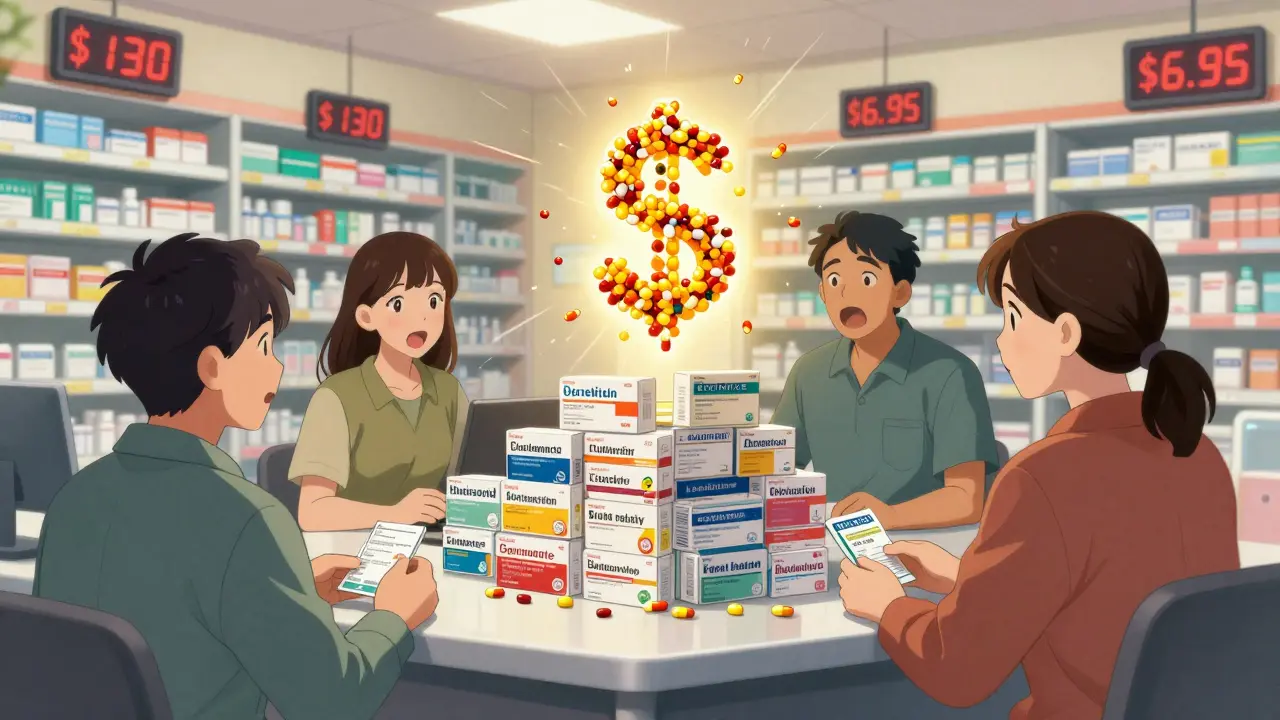
When you pick up a prescription, you might not realize you’re saving hundreds of dollars just because it’s a generic drug. In 2024, Americans filled nearly 4 billion prescriptions, and 90% of them were generics. Yet those same generics made up only 12% of total drug spending. Meanwhile, brand-name drugs, which made up just 10% of prescriptions, ate up 88% of the money spent on prescriptions. That’s not a typo. It’s the reality of how generic drugs reshape the U.S. healthcare economy.
How Much Money Are Generic Drugs Really Saving?
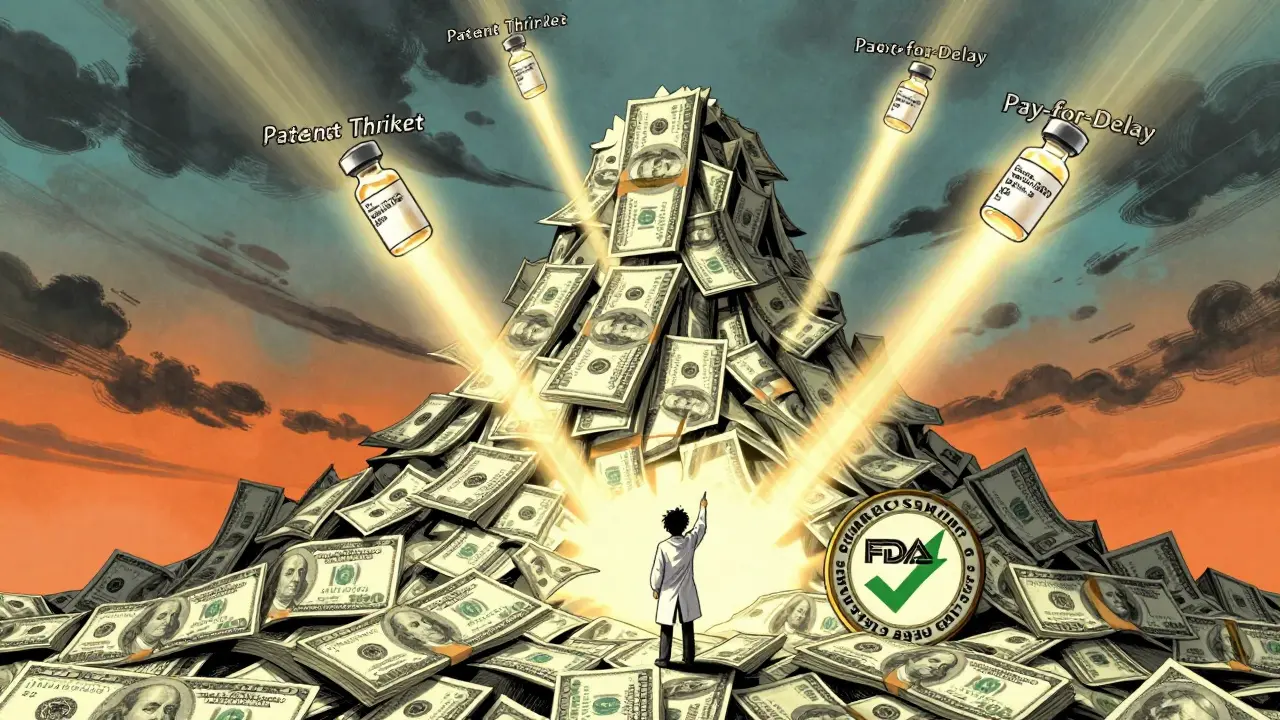
In 2024 alone, generic and biosimilar medicines saved the U.S. healthcare system $467 billion. That’s more than the entire annual budget of the Department of Defense. Over the past decade, from 2015 to 2024, these drugs have saved the system more than $3.4 trillion. To put that in perspective: if you took every dollar saved by generics and stacked it in $100 bills, the pile would be taller than Mount Everest.
The numbers get even clearer when you look at what patients pay out of pocket. In 2024, the average cost for a generic prescription was $6.95. For a brand-name drug? $28.69. That’s more than four times as much. For people without insurance, the gap widens even further. Brand-name drugs cost an average of $130.18 per prescription - up about 50% since 2019. Meanwhile, generic prices dropped by 6% over the same period. That’s not inflation. That’s deflation.
Why Are Generics So Much Cheaper?
Generic drugs aren’t cheaper because they’re lower quality. They’re cheaper because they don’t need to recoup billions in research and marketing costs. When a brand-name drug’s patent expires, other companies can make the exact same medicine. The FDA requires generics to have the same active ingredients, dosage, strength, and effectiveness as the brand-name version. The only differences are in color, shape, or inactive fillers - things that don’t affect how the drug works.
Manufacturers compete fiercely on price. One company might sell a generic version of a blood pressure pill for $3. Another might drop it to $2. Then another drops it to $1. That’s how prices keep falling - even as more people use them. Since 2019, total spending on all generic drugs in the U.S. has actually gone down by $6.4 billion, even though more prescriptions were filled and new generics entered the market. That’s the opposite of what happens in almost every other industry.
Biosimilars: The New Wave of Savings
Biosimilars are the next frontier in cost savings. Unlike traditional generics, which copy small-molecule drugs, biosimilars are complex biological products - think cancer treatments, autoimmune therapies, and diabetes drugs. They’re harder to make and harder to copy. But they’re still much cheaper than the original brand-name biologics.
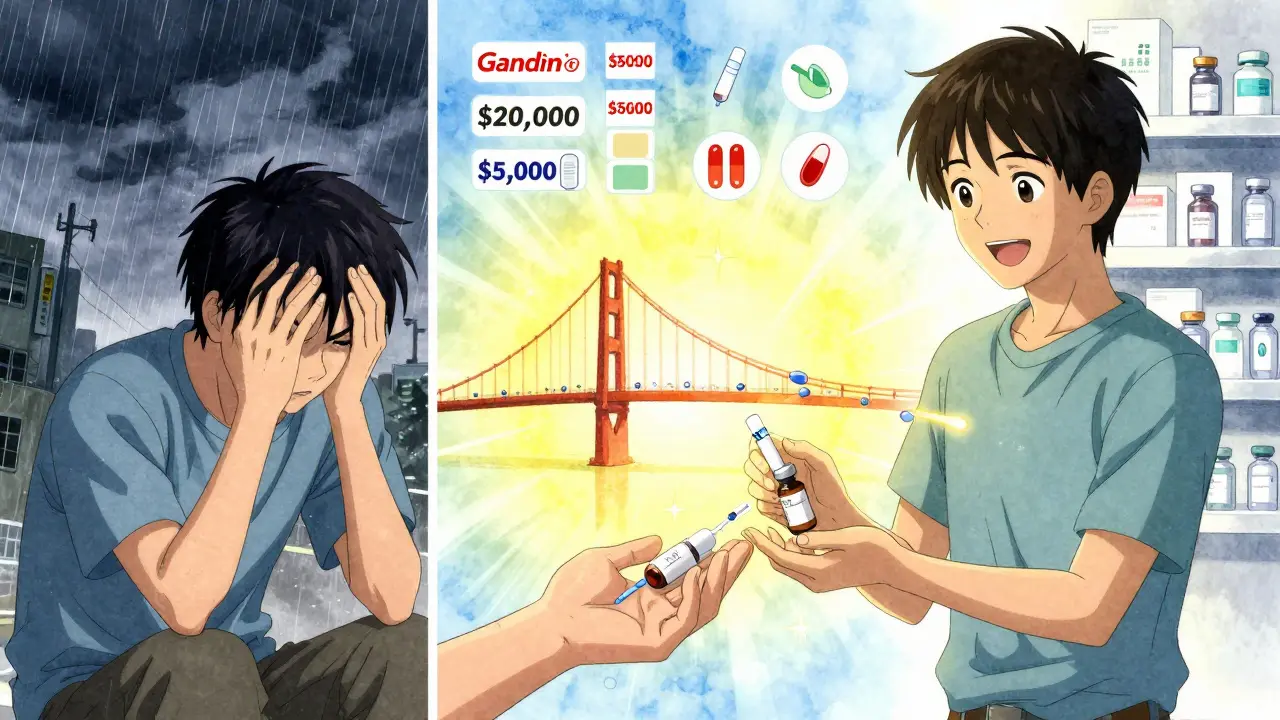
In 2024, biosimilars saved $20.2 billion - nearly double what they saved the year before. Since their introduction in 2015, they’ve saved the system $56.2 billion. And here’s the kicker: 60% of those savings happened in just the last two years. That means adoption is accelerating. Patients are getting access to life-saving treatments at a fraction of the cost. For example, a biosimilar for rheumatoid arthritis might cost $5,000 instead of $20,000 per year. That’s not a small difference. It’s the difference between being able to afford treatment or not.
What’s Happening With Brand-Name Drugs?
While generic prices keep falling, brand-name drug makers keep raising prices. In January 2025, major pharmaceutical companies increased prices on 250 drugs by a median of 4.5%. That’s almost double the overall inflation rate. Some drugs saw increases of 10%, 20%, or even more. Meanwhile, generic manufacturers are being squeezed. With prices so low, some companies can’t make a profit. A few have stopped making certain drugs entirely.
One extreme example: Vasostrict, a drug used in intensive care, had its list price cut by 76% between April and July 2025. That’s rare - but it shows how volatile the market can be. When one manufacturer exits, prices can spike. When a new one enters, prices crash. It’s a cycle that benefits patients - but stresses suppliers.
Who’s Getting Left Behind?
Even with all these savings, the system isn’t perfect. Pharmacy Benefit Managers (PBMs) - middlemen who negotiate drug prices for insurers - often take a cut that doesn’t always reach patients. Medicare Part D, which covers prescription drugs for seniors, saved $142 billion in 2024 thanks to generics. That’s $2,643 per beneficiary. But some patients still face high out-of-pocket costs because of coverage gaps and formulary restrictions.
Another problem: patent abuse. Some brand-name companies file dozens of minor patents on a single drug - just to delay generic competition. This practice, called “patent thicketing,” keeps prices high for years longer than they should be. The Congressional Budget Office estimates that stopping this could save $1.8 billion over ten years. Another tactic, called “product hopping,” is when a company slightly changes a drug - say, from a pill to a capsule - and pushes patients to the new version, then lets the old one go generic. That also delays savings.
And then there’s pay-for-delay. Sometimes, brand-name companies pay generic makers to hold off on launching their cheaper version. A 2025 study found these deals cost the system nearly $12 billion a year - $3 billion of it paid by Medicare. Banning them could save $45 billion over ten years.
Why This Matters for Everyday People
If you take a daily medication - for blood pressure, cholesterol, diabetes, or depression - chances are you’re on a generic. And if you’re paying less than $10 a month for it, you’re benefiting from a system that works. But that system is fragile. If manufacturers can’t make money, they stop making drugs. And then you get shortages. We’ve seen it happen with antibiotics, cancer drugs, and even insulin.
The good news? Generics are still the most reliable way to cut drug costs. The bad news? The pressure on manufacturers is growing. Without policy changes - like ending pay-for-delay deals, limiting patent abuse, and ensuring fair reimbursement - we could lose access to some of the cheapest, most essential medicines.
What You Can Do
Ask your pharmacist if a generic is available for your prescription. If your doctor prescribes a brand-name drug, ask if there’s a generic alternative. Most of the time, there is. And if your insurance denies coverage for a generic, appeal it. Many plans cover generics at lower copays for a reason: they save money.
Use tools like GoodRx or SingleCare to compare prices across pharmacies. Sometimes, a generic costs less without insurance than with it. That’s not a glitch - it’s how the system works. And if you’re on Medicare, check your plan’s formulary every year. Coverage changes, and so do prices.
Finally, stay informed. When lawmakers talk about drug pricing, they’re talking about you. Support policies that encourage generic competition and punish anti-competitive behavior. Your health - and your wallet - depend on it.
Are generic drugs as effective as brand-name drugs?
Yes. The FDA requires generic drugs to have the same active ingredients, strength, dosage form, and route of administration as the brand-name version. They must also meet the same strict standards for purity, stability, and performance. Thousands of studies confirm that generics work just as well. The only differences are in color, shape, or inactive ingredients - none of which affect how the drug works in your body.
Why do generic drugs cost so much less?
Generic manufacturers don’t have to repeat expensive clinical trials or spend billions on marketing. Once a brand-name drug’s patent expires, other companies can produce the same medicine. Competition drives prices down. Multiple generic makers often sell the same drug, and they compete on price - sometimes selling it for pennies per pill.
Can I trust generics if they look different from the brand name?
Absolutely. The appearance of a pill - its color, shape, or imprint - is not regulated by effectiveness. It’s often changed to avoid trademark issues. What matters is the active ingredient, which is identical. Your pharmacist can confirm the generic you’re getting matches the brand-name drug’s specifications. If you’re ever unsure, ask for the FDA’s list of approved generics for that medication.
Why do some generic drugs go out of stock?
When the price of a generic drug drops too low, manufacturers may stop making it because they can’t profit. This is especially true for older drugs with low margins. If only one company makes a certain generic and they face production issues, shortages can happen. The FDA tracks these shortages, and many are resolved within months. But if pricing doesn’t improve, more drugs could disappear - especially in high-demand areas like antibiotics or heart medications.
Are biosimilars the same as generics?
Not exactly. Generics copy simple chemical drugs. Biosimilars copy complex biological drugs made from living cells - like those used for cancer, arthritis, or diabetes. Because they’re more complex, biosimilars aren’t exact copies, but they’re proven to work the same way with no meaningful clinical differences. They’re still 15-35% cheaper than the original biologic, and their savings are growing fast - especially in the last two years.
Do insurance plans cover generics better than brand-name drugs?
Yes. Most insurance plans have lower copays for generics. Some even have $0 copays for certain generics. Brand-name drugs often require prior authorization or step therapy - meaning you have to try the generic first. If your plan doesn’t cover a generic, ask your doctor to switch or appeal the decision. Many plans will change coverage if you show the cost difference is significant.
Konika Choudhury
January 12, 2026 AT 03:52India makes 40% of the world’s generics and we’re still treated like second-rate suppliers while Big Pharma pockets billions
Our factories meet FDA standards but you act like our pills are magic beans
Stop pretending this is about safety-it’s about control
Darryl Perry
January 12, 2026 AT 18:50The data is accurate. The systemic issues are not being addressed. Generic manufacturers are being driven out of business by absurdly low reimbursement rates. This is unsustainable.
Windie Wilson
January 14, 2026 AT 00:44So let me get this straight-we’ve got a system where the cheapest, most effective medicine is treated like a discount aisle item while $20k/year cancer drugs get gold-plated marketing?
And we’re surprised people can’t afford to live?
Also, I’m pretty sure my blood pressure pill looks like a M&M because Big Pharma didn’t want to pay for a new mold.
Daniel Pate
January 15, 2026 AT 05:20What does it say about a society that values corporate profit margins over human survival?
Generics aren’t just cheaper-they’re ethically necessary.
Yet we reward companies that game patents and punish those who make medicine accessible.
If we can send robots to Mars, why can’t we fix a system where a diabetic chooses between insulin and rent?
It’s not a market failure-it’s a moral one.
Jose Mecanico
January 16, 2026 AT 20:27My dad’s on a generic for cholesterol. Pays $4 a month. If it weren’t for that, he’d be on disability. This isn’t theoretical-it’s life or death for a lot of people.
Monica Puglia
January 18, 2026 AT 06:12Just got my generic metformin for $3 at Walmart 😊
Meanwhile my cousin’s brand-name version costs $150 with insurance
Why are we still having this conversation??
Ask your pharmacist. Seriously. It’s that easy.
Alice Elanora Shepherd
January 19, 2026 AT 03:57It’s worth noting, however, that the FDA’s bioequivalence standards, while rigorous, do allow for a 20% variation in absorption rates-this is statistically acceptable, but clinically significant in narrow-therapeutic-index drugs such as warfarin or levothyroxine.
Patients on these medications should be monitored closely when switching between brands, even if both are generic.
Also, the rise in compounding pharmacies for off-patent drugs is a concerning trend, as oversight remains inconsistent.
Christina Widodo
January 20, 2026 AT 19:24Wait-so if biosimilars saved $20B last year and 60% of that was in the last two years, does that mean we’re finally catching up?
Why isn’t this headline news everywhere?
Why do I still hear people say ‘brand name is better’ like it’s gospel?
Someone needs to make a TikTok about this.
Jennifer Phelps
January 21, 2026 AT 05:53My pharmacy told me my generic blood pressure med was out of stock so I got the brand name and got billed $180
Then I called another pharmacy and the generic was $7
Why does this even happen
Amanda Eichstaedt
January 22, 2026 AT 14:35Think about it: we let pharmaceutical companies patent the same molecule 17 different ways just to delay a $1 pill
We let middlemen take 30% of the savings meant for patients
We let politicians accept campaign cash from drug lobbyists while seniors skip doses
And we call this capitalism?
No. This is organized theft wrapped in a white coat.
Generics aren’t the problem-they’re the only thing keeping us alive.
The real question isn’t why generics are cheap-it’s why we let the system get this broken.