
Ear Infections in Children: Causes, Treatments, and Safe Medication Use
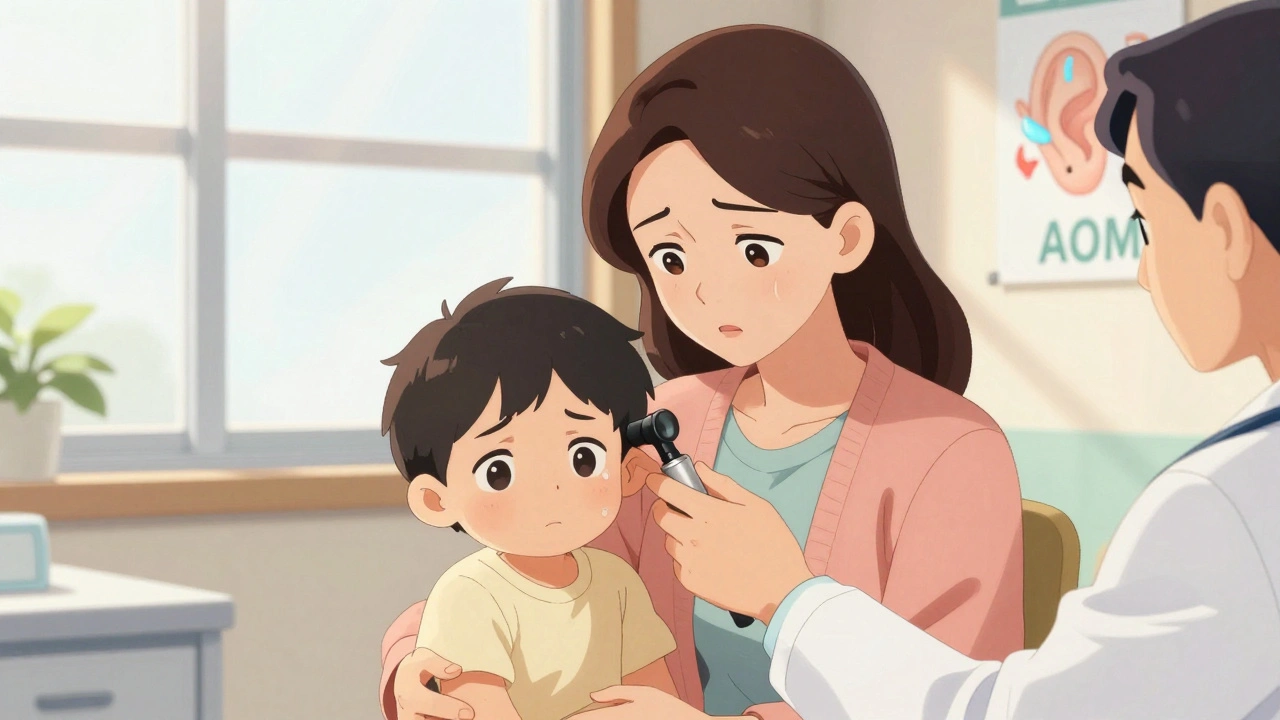
When a child pulls at their ear, cries more than usual, or won’t lie down to sleep, it might be an ear infection in children, a common inflammatory condition affecting the middle ear, often caused by bacteria or viruses that spread from the nose or throat. Also known as otitis media, it’s one of the top reasons parents take kids to the doctor—especially under age 5. About 80% of children will have at least one ear infection by their third birthday, and many get them repeatedly. It’s not just about pain—it’s about hearing, sleep, feeding, and even speech development if left untreated.
Most ear infections in children are caused by bacteria, like Streptococcus pneumoniae or Haemophilus influenzae, that travel up the Eustachian tube, which is shorter and more horizontal in kids than adults. This makes it easier for germs to reach the middle ear. Viruses like the common cold can trigger the same problem. Not every ear infection needs antibiotics. Many clear up on their own in a few days. But if your child has a high fever, severe pain, or symptoms lasting more than 48 hours, it’s time to talk to a doctor. The right treatment depends on age, severity, and whether it’s the first infection or a recurring one.
What parents often don’t realize is how easily child medication errors, like using kitchen spoons for doses or giving adult pain relievers to kids, can turn a simple ear infection into a medical emergency. The same goes for leftover antibiotics. Never save them for next time. Using old or wrong meds can mask symptoms, make infections harder to treat, or cause dangerous side effects. Pediatric medication safety isn’t optional—it’s essential. That’s why knowing how to read labels, understand dosing by weight, and store medicines out of reach matters more than you think.
Some kids get ear infections because of allergies, exposure to smoke, or bottle-feeding while lying down. Others have anatomical issues that make them more prone. If your child has three or more infections in six months, or four in a year, it’s worth asking about ear tubes. They’re not a cure-all, but for some kids, they mean fewer infections, better hearing, and less stress for the whole family.
While antibiotics are often prescribed, they’re not always the answer. Overuse leads to resistance—and more infections that are harder to treat. Pain relief with acetaminophen or ibuprofen (given correctly) can help while you wait to see if the body clears the infection on its own. But never give aspirin to a child. It can cause a rare but deadly condition called Reye’s syndrome.
What you’ll find in the posts below are real, practical insights from parents and doctors who’ve been there. You’ll learn how to tell if an ear infection is bacterial or viral, when to push for a second opinion, how to safely use pain relievers, and why some meds work better than others for kids. You’ll also see how common mistakes—like skipping doses, mixing meds, or trusting online advice without checking with a provider—can backfire. This isn’t about scare tactics. It’s about giving you the facts so you can act fast, stay calm, and keep your child safe.
Ear Infections in Children: When to Use Tubes, Antibiotics, or Watchful Waiting
Dec, 4 2025